


What a Connected Forecourt Means for Fuel Retailers
January 20, 2026
Every day on the forecourt, hundreds of small decisions matter. How fast a payment processes, how well a dispenser works, how quickly a stock variance is caught. None of them transform a fuel station on their own, but together, they can create a more efficient fuel station – one that, in turn, can help generate a positive experience for consumers that will hopefully influence their decision to return.
For fuel retailers across Europe, the Middle East and Africa (EMEA), building a stronger site isn’t just about installing better dispensers or faster point-of-sale (POS) systems, it’s linking every part of the operation – from dispensers and fuel management systems to secure payment and loyalty platforms – to become one connected forecourt that runs smarter, responds quicker, and protects profitability across the site.
Dover Fueling Solutions® (DFS) helps retailers build that connection. Through integrated technologies designed to streamline operations, improve efficiencies, and enhance the overall customer experience at the fuel station, DFS enables operators to take control of performance at every point that matters.
Breaking the Isolation Between Systems
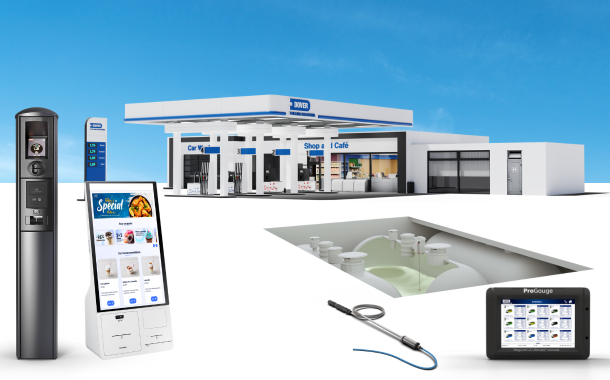
At a disconnected site, the dispenser works separately from automatic tank gauge (ATG). Loyalty platforms sit outside payment systems, and wetstock data is checked manually. Service teams respond only after issues have escalated. That separation slows everything down and makes it harder for retailers to get a complete overview of their retail site.
A connected forecourt brings all these products and solutions together. Dispensers like the Tokheim Quantium®, Wayne Helix®, and Wayne Century® 3 not only deliver accurate fuelling, they link secure payments, and real-time media promotions via Tokheim Crypto® VGA OPT (outdoor payment terminal). Tank data from ProGauge™ ATG systems feeds directly into DX Wetstock®, enabling real-time detection of short deliveries, fuel losses, and unusual site patterns before they escalate.
Maintenance is now data-driven, with RDM by DFS and DX Monitor®, providing a live view of dispenser and payment terminal health, catching device or service faults before they cause downtime.
With forecourt automation linking all systems, operators can manage their site faster and smarter than ever before, cutting losses and improving every consumer touchpoint.
What a Smart Fuel Station Delivers
A smart fuel station goes beyond just a connected dispenser. It’s a site where everything – fuel delivery, payment, stock control, loyalty, maintenance – communicates and reacts in real time.
- Tank gauges alert to small delivery issues before they grow into bigger stock problems.
- Maintenance systems flag minor faults early, saving truck rolls and preventing lost revenue.
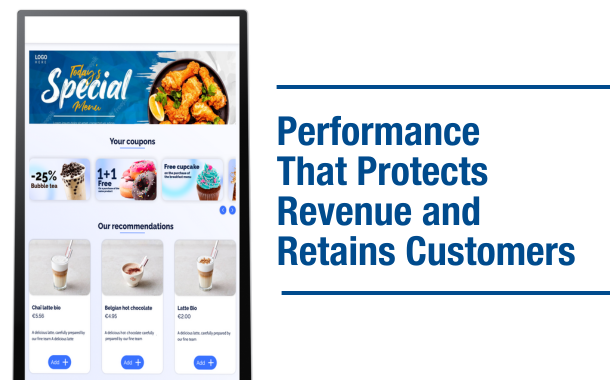
- In-store Order Kiosks and Self-Checkout systems move customer queues faster and make upselling seamless.
Retail Internet of Things (IoT) enables operators to track and adjust everything from a central dashboard, linking mobile apps, store promotions, and real-time analytics into one system that drives faster decisions and tighter operations.
Smart stations don't just run smoother; they serve faster, sell better, and protect profit margins.
Performance That Protects Revenue and Retains Customers
In a smart fuel station, both the customer journey and operational performance rely on the same thing: systems that work and work together. When a payment terminal lags, a dispenser slows, or a delivery shortfall isn’t flagged, the impact is immediate. Transactions stall, stock goes missing, and consumer experience diminishes.
DFS technologies give operators early warning. Tokheim Crypto VGA OPT drives seamless and secure payment at the dispenser. The DFS Self-Checkout Kiosk and the DFS Order Kiosk™ powered by FLYX reduce in-store queues and make loyalty offers more accessible – they also present a unique opportunity to upsell and increase the average basket size. Behind the scenes, tools like RDM by DFS, DX Monitor, ProGauge™ consoles and DX Wetstock highlight issues in real time, so sites stay compliant, stocked, and open.
That’s where resilience lives: not in reacting faster, but in seeing problems sooner, and preventing them before they affect the forecourt or the customer. DFS products and solutions can help retailers become proactive, rather than reactive.
Why Connection is the Future of Fuel Retail
Fuel retail margins aren't getting easier, consumer expectations aren't getting simpler, and compliance isn’t relaxing.
Retailers who want to grow need faster decision-making, better operational control, and an improved customer experience at the fuel station – and none of that comes from disconnected systems.
The connected forecourt isn't a future trend. It's now the standard for running a smarter, faster, more profitable site. DFS provides the digitialisation and connection fuel retail needs, linking dispenser refuelling, wetstock control, payment technologies, loyalty integration, and real-time operational visibility into one system that drives better outcomes.
Fuel retail technology is changing, and a connected forecourt is exactly how retailers stay ahead of it.
Related Products

Copyright © 2026 Dover Fueling Solutions® | A Dover Company | Privacy Policy | Cookies | Terms of Use


Dover Fueling Solutions
Dover Fueling Solutions