


Fleet Fuel Dispensers Built for the Demands of Modern Fuel Retail
Choosing the right fuel dispenser for your fuel station or private site is one of the most consequential decisions a fuel retailer can make. It can affect uptime, maintenance costs, overall customer experience, and ability to adapt as the market changes.
This page is here to help you understand what matters when evaluating fleet fuel dispensers, and how to find a solution that works for your site today and in the years ahead.
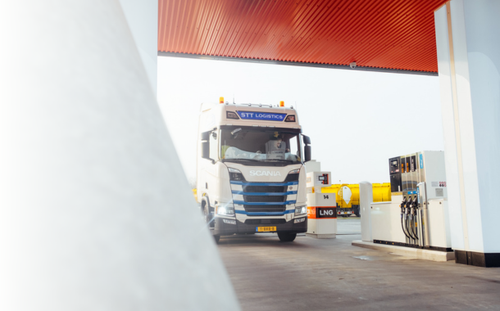
What Is a Fleet Fuel Dispenser?
A fleet fuel dispenser is the equipment on a forecourt, depot, or private site that delivers fuel to vehicles and records the volume dispensed. Unlike a basic pump, a modern fleet fuel dispenser is a connected piece of infrastructure. It integrates with payment systems, site controllers, and digital media platforms to give retailers accuracy, control, and visibility across every transaction.
For fuel retailers across the Middle East and Africa (MEA), dispensers need to handle a wide range of fuels and operating environments. Whether serving high-volume motorway stations requiring multi-grade fuel dispenser setups or remote private fleet locations, the right equipment must be built for durability, accuracy, and ease of maintenance.
What Should Fuel Retailers Look for in a Fleet Fuel Dispenser?
There is no single right answer, but there are several considerations every operator or retailer must consider before committing to a dispenser range.
Reliability and Uptime
A dispenser out of service is a dispenser losing revenue. Look for dispensers built with field-proven components, robust hydraulics, and a design that minimises the number of potential failure points. Gear pump technology, for example, produces less vibration and wear than vane-style alternatives, reducing the likelihood of breakdowns and the cost of maintenance over time. In regions where service call response times can be longer, this kind of built-in reliability is even more important.
Modularity and Configuration Flexibility
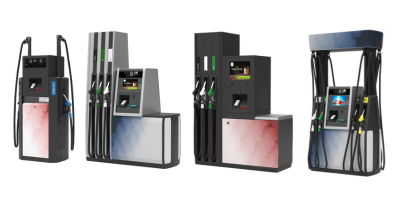
A fuel station, depot, or private site has specific requirements. The best dispenser ranges offer genuine modularity – allowing you to configure everything from a simple single-hose unit to a high-capacity multi-grade fuel dispenser. Nozzle placement, hose management, display options, and payment integration can all be tailored to match your site layout and customer base. This also matters for the future. A modular dispenser can be upgraded or reconfigured as needs change, rather than replaced entirely.
Alternative Fuel Readiness
Fuel retailers who invest in dispensers that are equipped for alternative fuels today are better positioned to adapt without significant capital expenditure as demand shifts. Across the MEA, this includes dispensers configured for AdBlue®, compressed natural gas (CNG), liquefied petroleum gas (LPG), and blended fuel options.
Learn more about alternative fuels and what they mean for your site.
Connectivity and Remote Management
Modern dispensers should be able to connect to the wider site ecosystem. Integration with a forecourt control (FCC) platform can help monitor performance, run diagnostics, push updates, and manage site remotely, reducing the need for on-site intervention and giving a clearer picture of operation in real time. For operators managing multiple sites across large geographic areas, this visibility is particularly valuable.
Total Cost of Ownership (TCO)
The purchase price of a dispenser is only part of the picture. Factor in installation costs, maintenance requirements, parts availability, and the cost of downtime over the dispenser's lifetime. A dispenser engineered for longevity with accessible aftermarket support will often represent better value than a cheaper unit that requires frequent servicing or is difficult to source parts for.
How Dover Fueling Solutions Approaches Fleet Fuel Dispensers
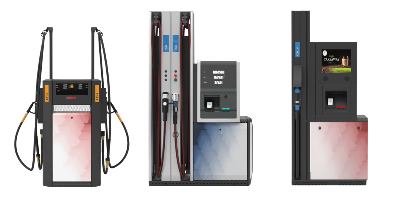
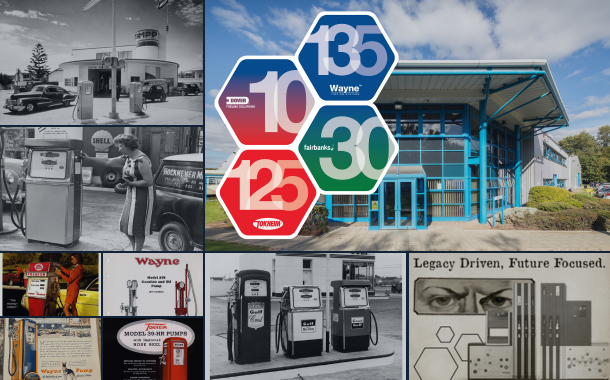
Dover Fueling Solutions® (DFS) designs and manufactures fleet fuel dispensers under two of the most established names in fuel retail: Wayne® and Tokheim®. The DFS dispenser range for the MEA has been built to address the specific challenges facing operators in the region, with more than 10,000 possible configurations available across the range.
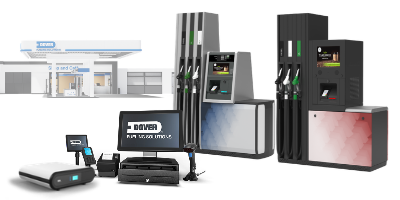
Every dispenser in the DFS MEA portfolio integrates with the DFS Fusion Prizma® ecosystem and point-of-sale (POS) platform, and is supported by a dedicated aftermarket parts network with regional coverage across MEA.
Frequently Asked Questions
What is the difference between a conventional fuel dispenser and an automated fuel pump?
A conventional fuel dispenser delivers fuel and records the volume dispensed. An automated fuel pump goes further, integrating payment processing, site monitoring, and digital media into the dispenser itself, allowing customers to complete a full transaction at the pump.
Do DFS offer multi-grade fuel dispenser options?
Yes. Multi-grade fuel dispenser configurations across the DFS MEA range allow operators to serve multiple fuel grades per side, making them ideal for sites serving a diverse fleet or looking to offer a wide range of fuel options from a single island.
How do DFS fleet dispensers integrate with payment and forecourt management systems?
DFS dispensers integrate natively with the Fusion Prizma ecosystem and POS platform, to provide retailers with a connected, centrally managed site without the need for complex third-party integrations.
What support is available for operators in the Middle East and Africa?
DFS operates a dedicated aftermarket parts network with regional coverage across the MEA, with thousands of genuine Tokheim and Wayne parts available to support fast fulfilment and minimise site downtime.
Speak to a DFS expert about the right dispenser for your site.
Thought Leadership
.png)
Customer Success
.png)
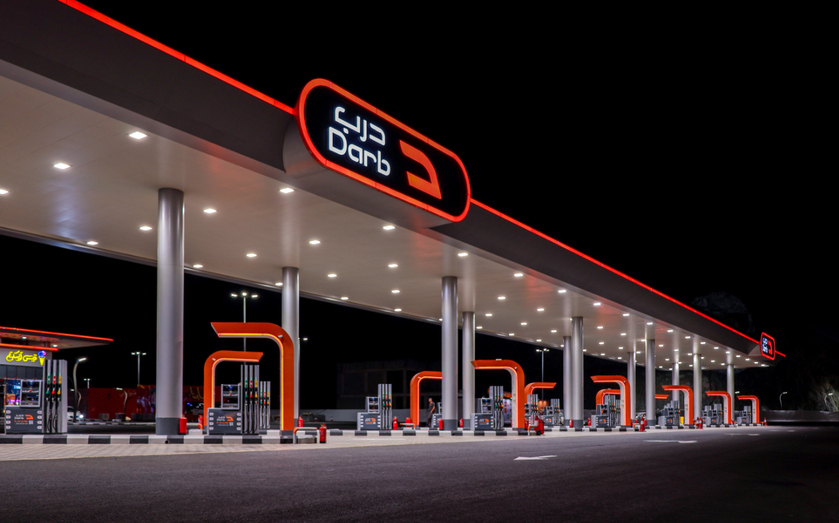
DARB Station Expand Operations with Dover Fueling Solutions Support
February 6, 2026



Copyright © 2026 Dover Fueling Solutions® | A Dover Company | Privacy Policy | Cookies | Terms of Use


Dover Fueling Solutions
Dover Fueling Solutions