


Pay at Pump: What It Is, Why It Matters, and How to Get It Right
Pay at pump is becoming an increasingly important part of the fuel station experience across the Middle East and Africa (MEA). For fuel retailers looking to modernise their fuel retail sites, improve throughput, and meet rising customer expectations, having the right payment infrastructure in place is a critical first step.
This page is here to help you understand what pay at pump technology involves, what to look for when choosing a payment solution, and how Dover Fueling Solutions® (DFS) can support.
.png)
What Is Pay at Pump?
Pay at pump allows motorists to authorise and complete a fuel payment directly at the dispenser, without needing to visit a convenience store (c-store). Across much of the Middle East, this is an increasingly familiar experience: the customer arrives, selects fuel type, pays using a card or accepted payment method, fuels their vehicle, and leaves.
For retailers, this reduces queue pressure, lowers the staffing burden at busy periods, and creates a faster, more efficient service station experience. As card and digital payment adoption continues to grow, having payment infrastructure that can keep pace with that shift is increasingly important for competitive fuel retail operators.
Technology has also evolved considerably. Modern pay at pump solutions are connected devices that feed transaction data into fuel station management systems, support multiple payment types, and integrate with loyalty and fleet card schemes. Understanding that broader capability is important when evaluating which solution is right for the service station and the region it’s in, as consumer needs differ across the MEA.
What Should Fuel Retail Operators Look for in a Pay at Pump Solution?
Pay at pump solutions vary significantly in their security credentials, payment acceptance, and integration capabilities. Before investing, there are several areas worth evaluating carefully.
Payment Method Coverage
Consumers pay in different ways. A good pay at pump solution should accept debit and credit cards and contactless payments as standard. For many fuel retailers, fuel card acceptance is equally important. For fuel retailers serving commercial and fleet customers, particularly in the UAE and South Africa where fuel card adoption is most established, fuel card acceptance is an important consideration. Fleet operators and commercial vehicle drivers frequently pay with proprietary fuel cards, and a system that cannot process those transactions represents a significant loss of potential volume.
Beyond acceptance, consider the breadth of card schemes supported. A solution backed by a comprehensive payment gateway that handles multiple card protocols and security requirements centrally will be far easier to manage than one that requires site-level configuration for each card type.
Security and Fraud Protection
Pay at pump infrastructure is a known target for fraud, and the consequences of a security breach extend well beyond financial. Reputational damage, loss of customer trust, and regulatory penalties can all follow a compromised system. Any solution deployed should be PCI-compliant as a minimum, with active fraud detection built in, rather than applied as an afterthought.
Solutions that incorporate tamper-resistant design and encryption standards such as 3DES DUKPT are great options. The payment card industry continues to raise its security requirements, so it is worth asking how quickly a solution provider has historically responded to new regulatory demands.
.png)
Integration with Fuel Station Ecosystems
A pay at pump solution that operates in isolation from fuel site management systems creates unnecessary complexity and limits visibility. Every transaction processed at the pump should feed into a central system, where fuel retailers can monitor activity, identify anomalies, run reports, and manage operations remotely.
Native integration with your site controller and point-of-sale (POS) platform means fuel retailers are not relying on manual reconciliation to get a complete picture. For multi-site operators managing locations across large geographic areas, this kind of centralised oversight is operationally essential.
Reliability and Support
A pay at pump system that is out of service is a direct obstacle to revenue. Reliability should be a primary consideration, and that means looking beyond the specification to the support infrastructure behind it. Consider parts availability, response times, and whether the supplier has a regional presence that can respond quickly when something goes wrong.
.png)
How DFS Approaches Pay at Pump in the Middle East and Africa
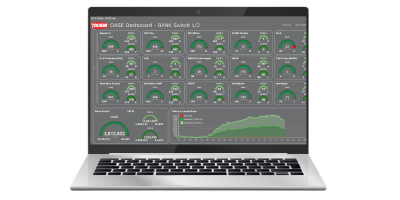
DFS offers secure payment infrastructure purpose-built for fuel retail across the MEA. Our solutions are designed to work as part of a connected fuel station ecosystem, integrating with the DFS Crypto NOVA® and Tokheim OASE™ (Online Authorisation and Switching Environment) payment gateway, giving retailers centralised visibility and control across every transaction.
Tokheim OASE supports all major bank card schemes, including Visa, Mastercard, and American Express, as well as over 250 global fuel cards, making it one of the most comprehensive payment acceptance solutions available to fuel retailers in the region. With 3DES DUKPT encryption and IFSF protocol compliance, Tokheim OASE handles over 930 million transactions annually across 22,000 fuel retail sites in 32 countries.
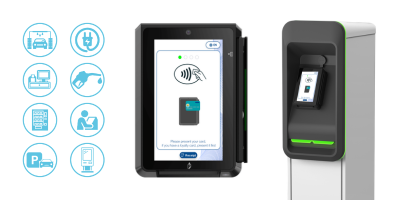
Crypto NOVA also helps retailers and merchants deliver improved payment transactions across a wide range of solutions, including, car washes, electric vehicle (EV) chargers, POS systems, order kiosks, self-checkouts, vending machines, parking garages, and fuel sites.
Explore DFS Pay at Pump Solutions
Frequently Asked Questions
What is a pay at pump solution?
A pay at pump solution allows customers to authorise and complete a fuel payment directly at the dispenser, without needing to visit a c-store or interact with a service station attendant. It handles card processing, contactless payments, and in some cases fuel card and loyalty scheme transactions, all through secure, PCI-compliant infrastructure designed for forecourt environments.
Is pay at pump secure?
Pay at pump solutions that meet PCI compliance standards and incorporate active anti-fraud technology are a secure way to handle fuel transactions. DFS payment infrastructure includes encryption and tamper-resistant design to protect both the retailer and the customer at every transaction.
Can DFS pay at pump solutions accept fuel cards?
Yes. DFS pay at pump solutions, supported by the Tokheim OASE payment gateway, accept over 250 global fuel cards alongside standard debit, credit, and contactless payment methods. For retailers serving commercial and fleet customers across the Middle East and Africa, this breadth of acceptance is an important commercial consideration.
How does pay at pump connect to fuel station management systems?
DFS payment solutions connect to the DFS Fusion® Prizma ecosystem and POS platform, giving centralised management of transactions, diagnostics, and updates across a fuel site. Tokheim OASE handles secure transaction processing and supports integration with a wide range of bank and fuel card providers. Additionally, Crypto NOVA improves payment transactions across a wide range of solutions, including, car washes, EV chargers, POS systems, order kiosks, self-checkouts, vending machines, parking garages, and fuel sites.
Payment Method Coverage
Consumers pay in different ways. A good pay at pump solution should accept debit and credit cards and contactless payments as standard. For many fuel retailers, fuel card acceptance is equally important. For fuel retailers serving commercial and fleet customers, particularly in the UAE and South Africa where fuel card adoption is most established, fuel card acceptance is an important consideration. Fleet operators and commercial vehicle drivers frequently pay with proprietary fuel cards, and a system that cannot process those transactions represents a significant loss of potential volume.
Beyond acceptance, consider the breadth of card schemes supported. A solution backed by a comprehensive payment gateway that handles multiple card protocols and security requirements centrally will be far easier to manage than one that requires site-level configuration for each card type.
Integration with Fuel Station Ecosystems
A pay at pump solution that operates in isolation from fuel site management systems creates unnecessary complexity and limits visibility. Every transaction processed at the pump should feed into a central system, where fuel retailers can monitor activity, identify anomalies, run reports, and manage operations remotely.
Native integration with your site controller and point-of-sale (POS) platform means fuel retailers are not relying on manual reconciliation to get a complete picture. For multi-site operators managing locations across large geographic areas, this kind of centralised oversight is operationally essential.
Reliability and Support
A pay at pump system that is out of service is a direct obstacle to revenue. Reliability should be a primary consideration, and that means looking beyond the specification to the support infrastructure behind it. Consider parts availability, response times, and whether the supplier has a regional presence that can respond quickly when something goes wrong.



Copyright © 2026 Dover Fueling Solutions® | A Dover Company | Privacy Policy | Cookies | Terms of Use


Dover Fueling Solutions
Dover Fueling Solutions