


Not All Equipment is Created Equal
May 6, 2026
From dispensing equipment and storage tanks to monitoring technologies and payment infrastructure, the specification and quality of site equipment can directly influence operational integrity. While lower-cost alternatives may appear comparable at a surface level, differences in design standards, material quality, certification, and system integration can have significant downstream impacts.
Investing in robust, fit-for-purpose equipment and engineered solutions is essential—not only for meeting regulatory compliance and safety requirements, but also for ensuring measurement accuracy, minimising lifecycle costs, and maintaining consistent uptime.
In this article we examine a critical principle that underpins performance across the entire fuel supply chain: not all equipment is created equal. Because in the fuel retail and convenience industry, cutting corners doesn’t just cost money, it can diminish trust.
Additionally, we explore how under-specifying or prioritising upfront cost over total cost of ownership (TCO) can introduce risks, including increased maintenance frequency, calibration drift, system incompatibility, and potential operational failures.
If you’ve ever wondered whether paying more upfront is worth it, then this article is for you.
The Hidden Cost of Low-Quality Equipment
There is a hidden cost to investing in cheaper, lower-quality equipment and that is customer confidence.
In an industry where fuel margins are tight and there is growing importance on customer experience, there is little tolerance for out-of-service dispensers, payment platforms, or retail systems. PwC’s survey of 15,000 consumers across 12 countries found that 32% would abandon a brand they love after a single bad experience, showing how quickly inconvenience can impact purchasing decisions.
Retailers need to invest in systems designed to perform reliably, both individually and as part of the wider site ecosystem. A smooth visit depends on dispensers delivering accurate volumes with stable flow, terminals responding without hesitation and payment authorisation processing quickly and consistently, because those fundamentals underpin the entire customer experience.
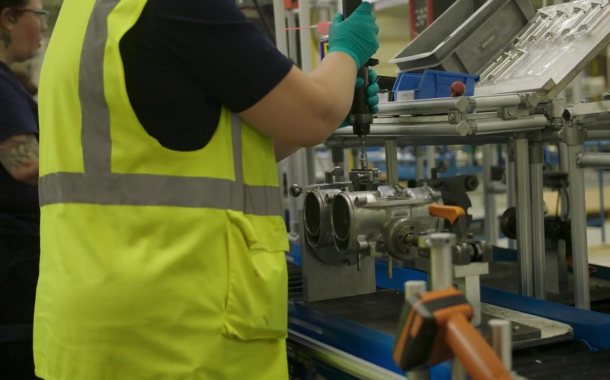
Performance on today’s fuel stations should be shaped as much by what sits beneath the surface as by what the customer sees. Dispenser hydraulics, electronics, and payment hardware must be engineered for durability and long-term reliability, not simply initial installation. Over time, the quality of those core components can directly influence uptime, responsiveness, and TCO.
Every failed transaction, out-of-service dispenser, and instance of friction erodes customer confidence. Failed interactions may not result in an immediate loss of business, but over time they influence behaviour, shaping where customers choose to refuel.
The Smart Investment Strategy
In fuel retail, the concept that “not all equipment is created equal” becomes obvious the moment systems are pushed under real-world pressure. Dispensers, payment platforms, retail systems, automatic tank gauges (ATGs), and wetstock management systems don’t just support operations, they define how reliably, securely, and profitably a site runs day-to-day.
Although, lower-cost alternatives can look like the more attractive option, when it comes to cutting costs and boosting profits, they can lead to higher expenses further down the line—slower or failed transactions, limited or complex site integration, frequent repairs/maintenance call outs, increased exposure to compliance risks, and significant, unplanned downtime.
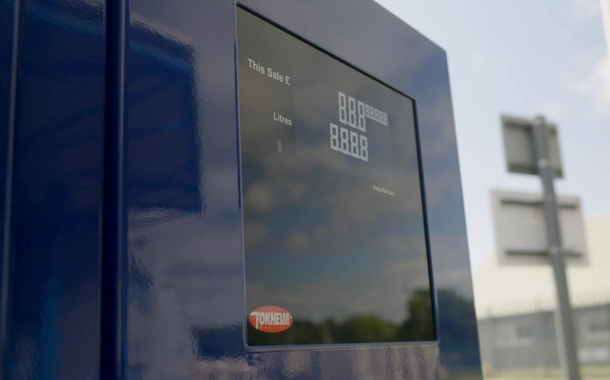
High-quality dispensers and integrated payment platforms can directly influence throughput and customer experience. Faster, more reliable transactions mean shorter queues and higher potential footfall during peak hours. Advanced payment systems can support evolving consumer expectations by being able to accept contactless, mobile wallets, and wearables. With 86% of consumers willing to pay more for a great customer experience, and those customers spending up to 140% more than individuals who experience negative interactions, investing in high-quality, connected equipment simply cannot be overlooked.
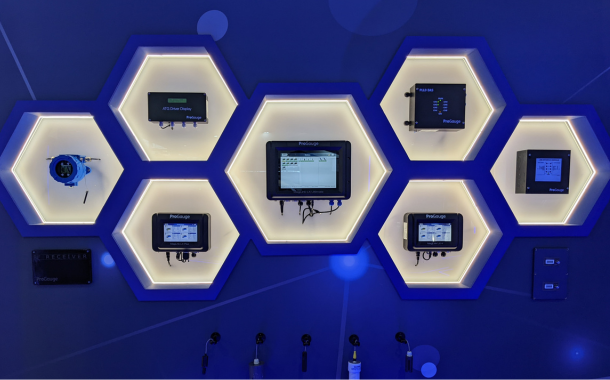
The same principle applies to equipment sitting below the surface. ATGs and wetstock management systems are critical for accuracy, compliance, and loss prevention. Lower-grade systems may provide basic readings, but higher-quality, integrated solutions deliver continuous monitoring, leak detection, reconciliation, and actionable analytics. That real-time visibility translates into fewer losses, faster issue detection, and stronger environmental compliance—areas where the cost of failure can far exceed any initial savings.
Connect, Innovate, and Evolve with DFS
At Dover Fueling Solutions® (DFS), we believe in exceptional performance and quality, and are committed to always meeting industry standards for the operation of all our equipment.
All DFS products and solutions are designed to maintain the highest operating performance and comply with applicable regulatory business standards such as UL, ATEX, CE, and MID approvals, so fuel retailers have optimal site operation, through improved safety, uptime and serviceability.
When retailers purchase a DFS product or solution, they are not just buying a fuel dispenser, payment platform, or ATG, but an opportunity to maintain the life of their investment and solidify their place in the market—now and in the future.
Through integrated technologies designed to streamline operations, improve efficiencies, and enhance the overall customer experience at the fuel station, DFS enables operators to take control of performance at every point that matters.
Evolve your fuel retail site with secure payment technologies, reliable fuel dispensers, modern c-store solutions and accurate above and below ground systems.
In a margin-sensitive industry like fuel retail and convenience, quality equipment isn’t a luxury; it’s the foundation for risk management, and long-term performance. Quality costs, but it’s the only option that truly pays.
Related Products

Copyright © 2026 Dover Fueling Solutions® | A Dover Company | Privacy Policy | Cookies | Terms of Use


Dover Fueling Solutions
Dover Fueling Solutions