



What Fuel Retailers Want Most from Their Next Gas Station POS Systems
March 13, 2026
Quick Take (TL;DR)
Research from DFS and NACS found that one in four fuel and convenience retailers in North America plan to upgrade their gas station point-of-sale (POS) systems in the next two years. Retail leaders say ease of use, loyalty integration, reliability, and speed are the most important features in a modern fuel POS system.
The Features Fuel Retailers Value Most in Their Next POS Investment
For many fuel retailers, POS upgrades are becoming an immediate priority. Several legacy POS systems across the industry are reaching end-of-life, and newer software releases will require full hardware replacements to remain compliant. As a result, operators are being pushed to evaluate their next POS platform sooner than they expected.
DFS’ recent research with NACS, based on a survey of North American fuel retail leaders, revealed that 25% of retailers plan to upgrade their POS system in the next two years. Among operators with 10 or fewer stores, that likelihood increases: 30% plan on POS upgrades.
A modern fuel POS system can serve as a strategic business asset and platform for long-term competitive advantage. With the right POS, fuel retailers can drive revenue through faster transactions and integrated loyalty, reduce operating costs with intuitive workflows and high uptime, and deliver insights that inform smarter business decisions.
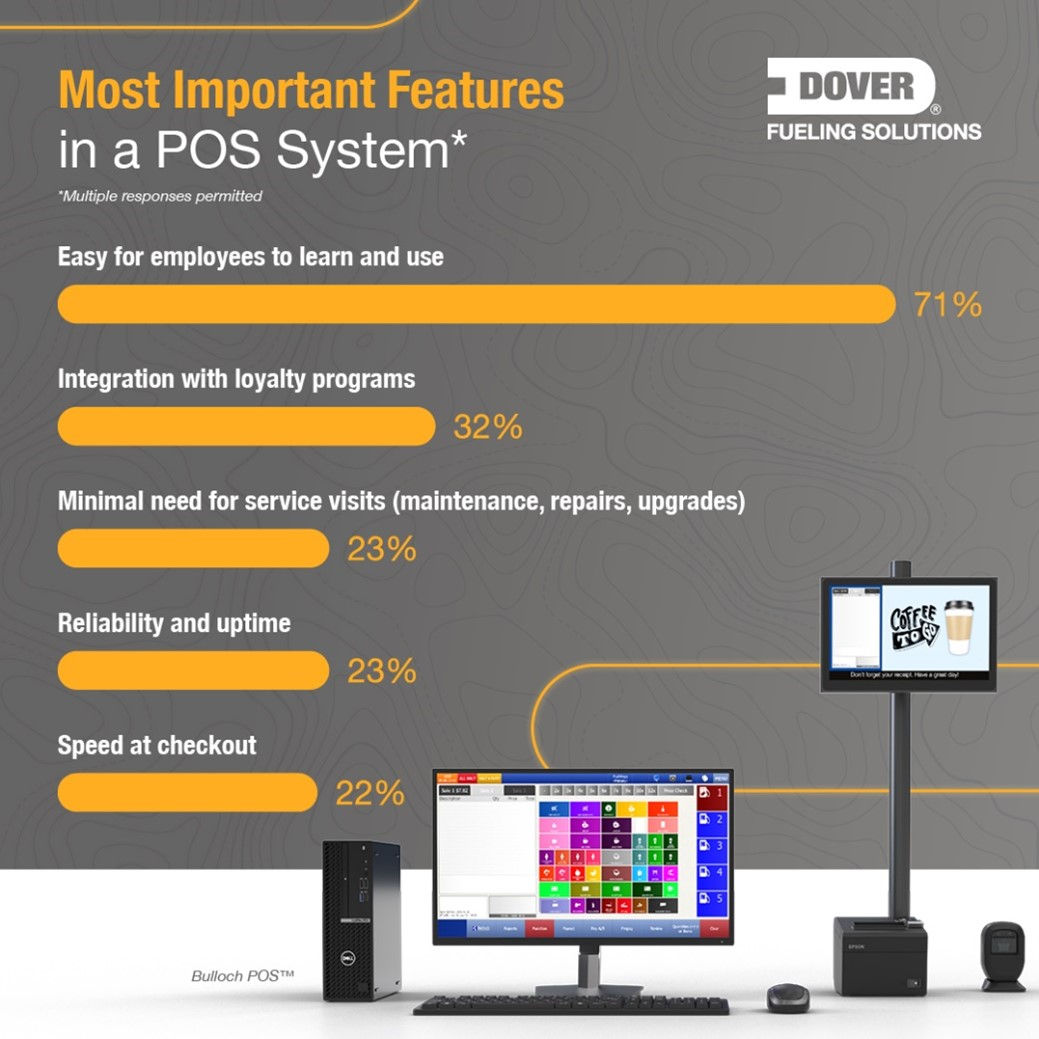
So what exactly are retailers looking for in their next gas station POS? The biggest characteristic by far is that the system is easy for employees to learn quickly and use effectively. After usability, retail leaders want their POS system to integrate well with loyalty programs and to stay up and running reliably, without the need for truck rolls for maintenance or upgrades.
What fuel and convenience retailers say are the most importance features in a POS system*
- 71% - Easy for employees to learn and use
- 32% - Integration with loyalty programs
- 23% - Minimal need for service visits (maintenance, repairs, upgrades)
- 23% - Reliability and uptime
- 22% - Speed at checkout
*Multiple responses permitted
Source: DFS & NACS Retail Rewired Report, 2025
Let’s take a closer look at each of these priorities and what fuel retailers should keep in mind for their next POS investment.
Easy for Employees to Learn and Use
A gas station POS has to prioritize usability as much as functionality. The easier the system is to learn, the faster stores can maintain productivity. According to DFS and NACS research, 71% of fuel and convenience retailers want a POS system that’s easy for employees to learn and use.
Ensuring that new systems and processes integrate easily for frontline employees is especially important in fuel and convenience retail. As Jayme Gough, Director of Research and Development at NACS, explains, “Industry-level employee turnover is typically over 100%, meaning that essentially the entire frontline is new every year. If you can’t get your people to understand the process or product quickly, that’s going to cause disruption across the employee experience, which will ultimately impact customer experience.”
In addition to turnover, it’s important to remember that convenience store employees are asked to do more than ever before, juggling checkout, restocking, food service, and facility upkeep. When POS technology is simple and easy to use, new hires can get up to speed faster, and employees can work more confidently serving customers.
Integration with Loyalty Programs
The second-most important POS feature, according to fuel and convenience retailers, is integration with loyalty programs. Furthermore, over one-third of retail leaders (38%) ranked “loyalty and POS integration” as one of their top-three ROI drivers when evaluating their business’s technology investments, according to DFS and NACS research.
When a gas station POS system integrates with a loyalty program, the store’s checkout experience becomes more seamless and rewarding for customers. A customer can enter their phone number or scan a mobile app, and the POS instantly recognizes rewards, fuel discounts, or personalized offers. Integration can also bring together fuel and in-store promotions, so customers can earn fuel discounts with qualifying store purchases or receive in-store offers based on fuel transactions.
By meeting customers where they are with consistent, frictionless experiences, retailers can strengthen loyalty in the moment and build lasting engagement over time.
Minimal Need for Service Visits, Maximum Reliability and Uptime
Fuel POS system reliability should be a given, but unfortunately, that’s not always the case. The third- and fourth-most important POS features for retailers are tied between “reliability and uptime” (23%) and minimal need for service visits (23%). DFS and NACS research revealed that the most successful fuel and convenience retailers are taking a connected view of customer experience, linking loyalty, forecourt engagement, foodservice, and promotions into a cohesive system.
Downtime directly impacts revenue, and a POS failure can impact multiple systems, from fuel transactions and store operations to reporting and compliance. Service visits are also costly, particularly when a truck roll is needed to troubleshoot issues or install POS system updates.
“A POS should be simple, dependable, and enable cashiers to focus on connecting with customers, not worried about downtime and service visits. In the fuel and convenience industry, POS technology impacts a range of critical operations, so a smarter, faster, and more reliable POS can directly translate to bottom-line value,” explains Bradford Loewy, Director of Product Solutions for Bulloch Technologies at DFS.
Why Fuel and Convenience Retailers Are Choosing Bulloch POS
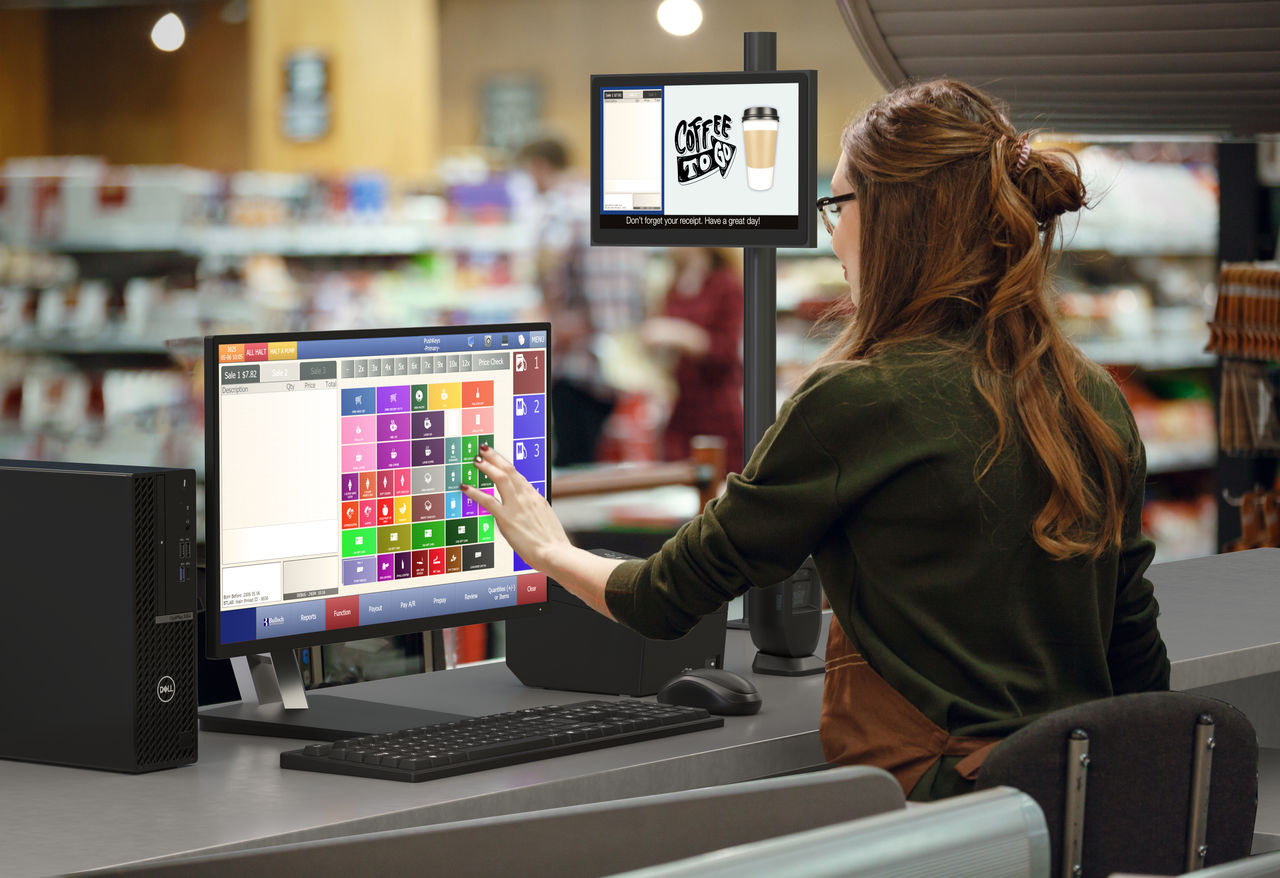
As fuel and convenience retailers evaluate their next POS investment, many are turning to solutions like Bulloch POS™ that are purpose-built to deliver the user-friendly experiences, connected operations, and maximum uptime they prioritize most.
- Easy for employees to learn and use: Bulloch POS is built to simplify operations and reduce training time, featuring an industry-leading 24" touchscreen that is highly configurable to match store workflows. With flexible buttons, customizable icons, and a left-handed accessibility mode, the system helps employees navigate transactions quickly and confidently.
- Integration with loyalty programs: Bulloch POS aligns with Conexxus standards, enabling integration with a wide range of loyalty providers commonly used across the fuel and convenience industry. This integration flexibility eliminates the need for costly third-party add-ons, helping retailers streamline their operations and customer experiences.
- Minimal need for service visits, maximum reliability and uptime: Bulloch eliminates separate back-office POS boxes, reducing hardware complexity and potential points of failure, while each terminal operates independently to maintain continuity if one workstation encounters an issue. With a real-time support team, remote diagnostics capabilities, remote software updates, and 24/7 assistance, Bulloch minimizes on-site service visits and accelerates issue resolution.
Making the Right POS Investment
As fuel and convenience retailers navigate a complex landscape of challenges, from employee turnover to steep market competition, they need a POS to serve as a reliable and strategic operations hub. The right fuel POS system empowers employees, strengthens loyalty, and minimizes operational disruptions, positioning retailers for long-term growth. To learn more about the investments retail leaders are making in their technology and equipment, explore the full DFS & NACS report: https://info.doverfs.com/Retail-Rewired-2026-Fuel-and-Convenience-Trends-Report-NACS.html.
To learn how Bulloch POS delivers the usability, loyalty integration, and reliability retailers value most, visit: https://www.doverfuelingsolutions.com/na/en/products-and-solutions/pos-systems/bulloch-pos.html.
Frequently Asked Questions (FAQ)
What is the Retail Rewired: 2026 Fuel & Convenience Trends Report?
Retail Rewired: 2026 Fuel & Convenience Trends Report is a research report from Dover Fueling Solutions in partnership with NACS exploring how fuel and convenience retailers in North America are successfully driving growth and cutting costs amid economic, technological, and competitive pressures.
How are fuel and convenience retailers improving their gross profits?
DFS and NACS found that retailers are successfully increasing gross profits with three primary tactics: expanding their food offerings (60%), enhancing their sites and facilities (47%), and adopting tech-enabled loyalty and promotion solutions (36%).
What technology investments are retailers prioritizing over the next two years?
According to DFS and NACS research, the top equipment and technology upgrades fuel retailers plan to make within the next two years include their loyalty and rewards offering (47%), food service equipment (43%), and promotion/advertising technology (36%).
How can I access the full research report?
Visit https://info.doverfs.com/Retail-Rewired-2026-Fuel-and-Convenience-Trends-Report-NACS.html to download the complete DFS Retail Rewired report.
Related Products

Copyright © 2026 Dover Fueling Solutions® | A Dover Company | Privacy Policy | Cookies | Terms of Use


Dover Fueling Solutions
Dover Fueling Solutions