



Moving Fleet Payment Forward: Efficiency, Data, and Building Tech Resilience
July 20, 2025
Quick Take (TL;DR)
Fleet operators need to modernize to keep pace with rapid tech shifts in order to excel and not fall behind. Fleets that strategically adopt EV infrastructure, mobile-first payments, and data-rich management tools will be better positioned to reduce costs, improve performance, and future-proof against evolving fuel and tech landscapes.
Key focus areas:
- Efficiency gains – Adoption of EVs, mixed-fuel fleets, and advanced charging solutions to cut costs, hedge against fuel volatility, and meet environmental goals.
- Smarter payments – Moving from physical fleet cards to mobile payments for faster transactions, better security, richer data, and AI-driven insights.
- Connected ecosystems – Mobile apps and device integration creating real-time links between drivers, operators, and payment systems for streamlined operations.
- Big data & AI – Telematics and analytics driving predictive maintenance, route optimization, and better decision-making.
- Resilience & longevity – Investing in tech and hardware that can withstand long life cycles, regulatory demands, and staged upgrades without disrupting operations.

Boosting Efficiency Through New Technology
Efficiency is one of the major drivers of the fleet industry, and players are tackling this fundamental need in diverse ways, including introducing electric vehicles. EV and large-scale charging adoption is one of the biggest changes rocking the entire fueling industry, but fleets – particularly door-to-door providers and local municipalities – are uniquely keen to integrate them. Fleet operators typically cite a desire for fueling alternatives, the nature of structured routes and overnight stops, and various government incentives as drivers for this change. Many early adopters are finding that electric vehicles are an ideal fit for a fleet operation as routes are planned and monitored and charging can be completed quickly midday via level three fast chargers or overnight with level two chargers.
The other main draw is savings on fuel and access to an alternative option when gasoline prices become volatile, which can reduce operating costs and make investing in EV more appealing. Utilizing mixed fuel fleets is another emerging trend intended to diversify and hedge against risk in the physical and regulatory environments, and interest in hybrid options has grown for the same reason. While national policy regarding retail EV adoption is developing, many state and local programs supporting the fleet transition remain in place. And with expanding options for charging infrastructure in the marketplace, fleet managers can find a solution tailored much more specifically to the individual needs of their operation with support through every step of the process. For example, the Wayne PWR ™ DC fast charger line recently expanded to include lower wattages that empower fleet owners with options that match their infrastructure and deployment needs. Looking to other municipalities or companies that have successfully begun electrification can also help alleviate concerns or simply ensure industry stakeholders are collaborating to navigate changes together.
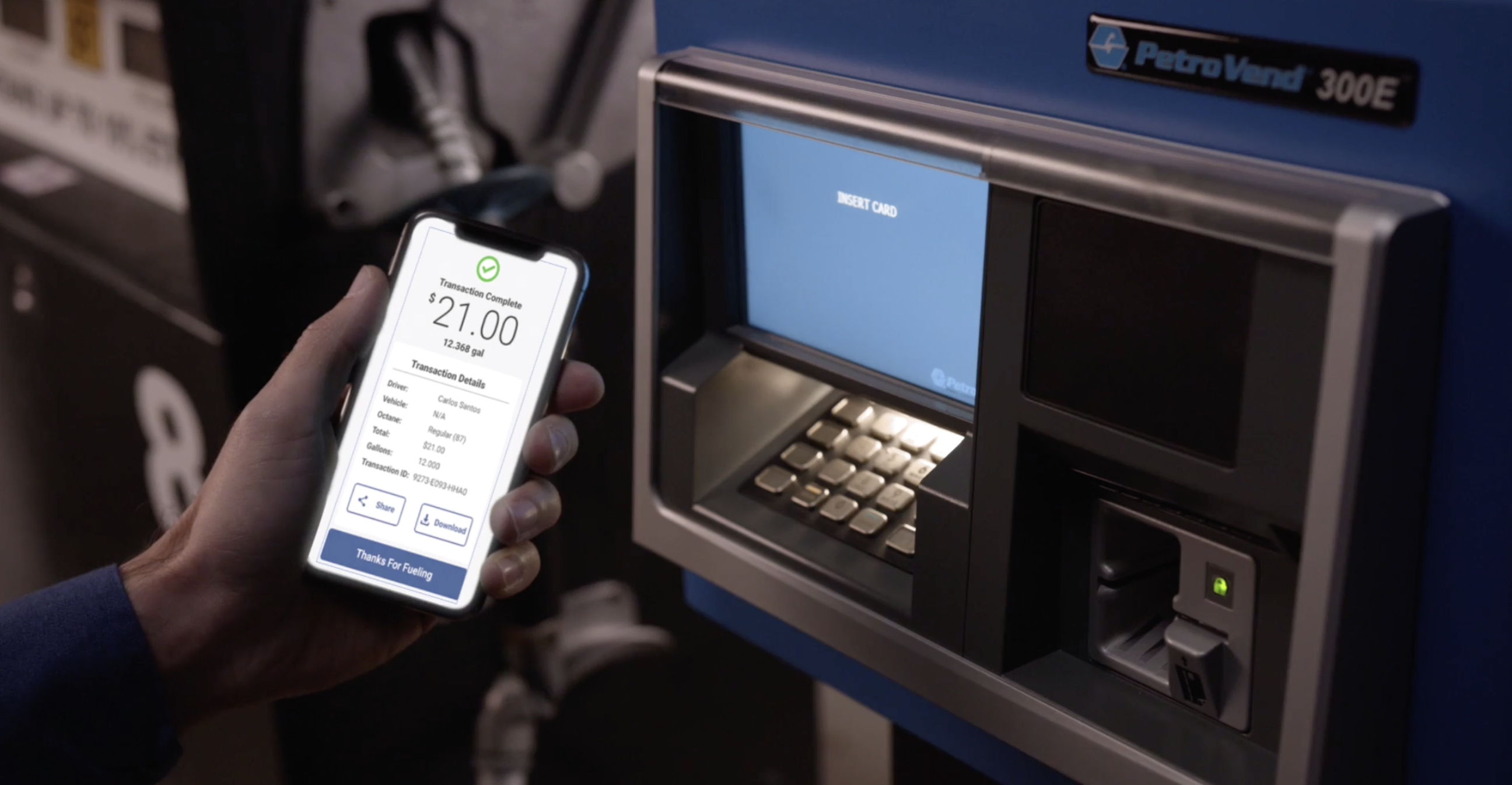
Many fleet operators are also moving from fleet cards to mobile payments to streamline stops for drivers and data for backend administrators. EMV regulation boosted the transition to chip readers for retailers and fleet owners, while some have opted to jump straight into mobile integration. Mobile fleet cards enable simpler data compilation along with more comprehensive data that can be used to reduce downtime and anticipate maintenance and driver needs. Recently introduced features, including tokenization and enhanced provisioning capabilities, enable more security and control across an operation . And as more use cases for artificial intelligence emerge in fleet fueling, more data will mean more accuracy.
Mobile apps can really serve as a traveling office for drivers and operators, allowing a seamless interface whenever and wherever necessary. This has the potential to create a completely connected, dynamic ecosystem, from operators’ and drivers’ phones to controllers to payment terminals. Stronger connections between devices could even provide another communication channel for urgent messages through remote management. Nonetheless, as automation becomes more accessible, site connectivity will be imperative for implementation and boost buy-in, preparedness, and feedback during these transitions and day-to-day operations. Therefore, when evaluating hardware and software solutions, opting for mobile, touchscreen, and other technology-enabled options may not only create efficiencies now, but create long-term opportunity too.
Big Data and Shifting Landscapes
Emphasis on data retention and extraction, and soon artificial intelligence, in the fleet industry is growing. Part of this shift can be attributed to fleet decision makers feeling more comfortable adopting to scale their operation and ease workloads. Leaders see more use cases for technology in fleet now, and those stepping up to the plate to implement new strategies are shortening the cycle of technological adoption across the industry. There are also a rising number of tools that organizations can leverage to collect, compile, analyze, and interpret insights. Data on fuel management, driver habits, and other performance indicators can enable accurate preventative maintenance and stronger forecasting, strengthening logistics and lowering total cost of operation.
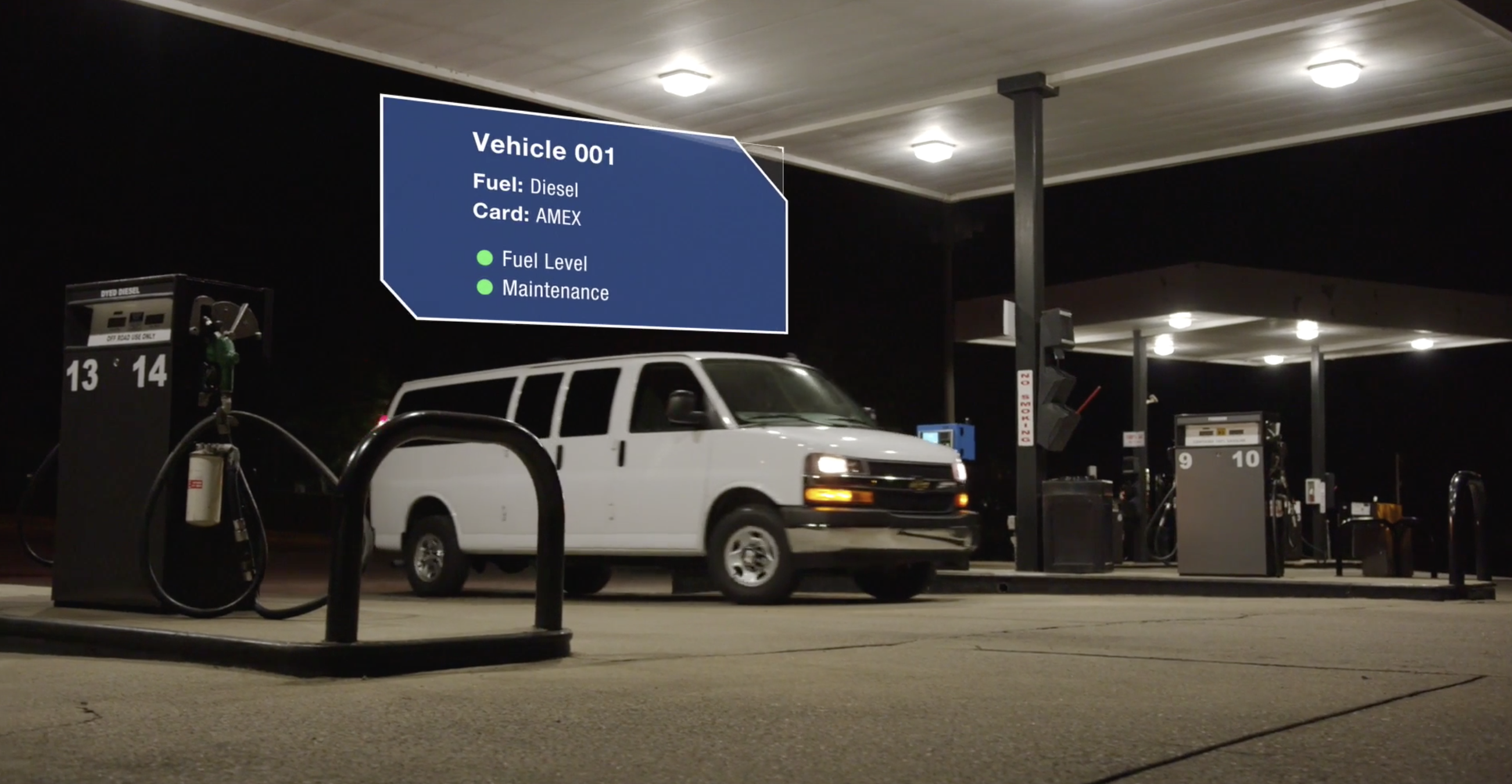
Some managers are even using telematics , or GPS-enabled technology that combines telecommunications and informatics to collect and transmit data generated by vehicles to the cloud. Telematics software can help fleet managers make decisions like how to reduce fuel consumption amongst their vehicles, when to take maintenance measures to reduce costs, and whether electric vehicles would improve efficiency. The potential AI integrations with telematics seem to be some of the most promising use cases for fleet management, especially for route optimization, fuel efficiency, and predictive maintenance. Telematics can detect and transmit data from vehicles, and predictive models built on this data can then determine when and what to do to improve operations. While AI in fleet management is still in early stages, developing a plan to integrate more data collection into daily operations will allow owners to retain competitive advantage as the landscape evolves.
Technology like telematics, AI, and even standard fleet cards and terminals track and store substantial amounts of data, so finding tools that can deliver pertinent data and compile and analyze information to provide insights is essential. And while adopting new technology can be intimidating, finding simple, smart solutions with strong customer support is possible. DX Fleet®, the DFS cloud-based fuel management solution, offers a reliable, connected platform to remotely monitor an entire fleet fuel enterprise. Digital access to fueling data dashboards, card management, transactional information, and the mobile app empower operators with all the vital information they need to efficiently fuel their fleets.
Considerations
These innovations can transform fleets, but it is also important to remember the unique considerations decision makers must weigh when investing in new technology. Because fleets often face budgetary, regulatory, and other constraints that can force them to scale and modernize at a slower pace than retail, many systems need to be upgraded in stages and require measured steps to prevent breaking back-end technology. It’s common for fleet operators to keep their hardware for decades, needing confidence that new technology can withstand the same lifespan. Equipment and tech suppliers with high quality standards, a strong focus on advanced and flexible engineering and materials, and longer warranties offer peace of mind.
Whether your fleet fueling equipment is quickly aging or simply needs a refresh for efficiency, the new capabilities of fleet management are exciting. By breaking down the needs and ambitions of your network, consulting stakeholders, and finding partners you can trust, operators can empower their business to progress and excel in a tech-driven fleet world.
Frequently Asked Questions (FAQ)
Why should fleets modernize their fueling systems now?
Digital transformation in retail fueling is accelerating. Upgrading now helps fleets stay competitive, improve efficiency, and avoid costly catch-up later.
How are fleets improving efficiency?
By adopting EVs, hybrid/mixed‑fuel fleets, and advanced charging solutions to cut fuel costs, reduce downtime, and meet sustainability targets.
What’s driving EV adoption in fleets?
Structured routes, overnight stops, government incentives, fuel savings, and growing availability of tailored charging infrastructure.
Why are mobile payments replacing fleet cards?
Mobile platforms speed up transactions, improve security via tokenization, enhance control, and generate richer, real‑time data for decision‑making.
How does “connected tech” fit in?
Integrated devices, mobile apps, and remote management create a seamless flow of data between operators, drivers, and payment systems.
What role does data play?
Telematics and AI turn vehicle and fueling data into predictive maintenance schedules, optimized routes, and better forecasting.
What about tech resilience?
Fleets need durable, long‑life hardware and flexible software to handle staged upgrades, regulatory changes, and tough operating conditions.
Related Products

Copyright © 2026 Dover Fueling Solutions® | A Dover Company | Privacy Policy | Cookies | Terms of Use


Dover Fueling Solutions
Dover Fueling Solutions