



Reducing Fuel Station Operating Costs and Maximizing Profitability
February 9, 2026
Quick Take (TL;DR)
Fuel station operators are currently facing a challenging operational environment and are turning to cost optimization to ensure profitability. Properly controlling costs means having visibility across the forecourt, which is pushing owners towards connected end-to-end solutions that can help identify inefficiencies, mitigate risks, and streamline day-to-day operations.
Key Points:
- Precision at the Pump: Businesses should ensure fuel meters are reliable and security in the forecourt is prioritized.
- Cost Prevention: By using automatic tank gauging tools, operators can protect inventory and avoid unnecessary and costly escalations.
- Reducing Unexpected Downtime: For operators managing multiple sites, monitoring solutions can deliver real-time, user-friendly updates on site health to prevent revenue loss.
Reducing Fuel Station Operating Costs and Increasing Profitability
Across North America, fuel station operators are facing a challenging operational environment. Costs have risen, equipment requires additional safety protocol and can take longer to service, while regulations extend into multiple parts of the business, from leak detection to payment processing.
Some of the most serious risks to profitability start small. A mis-calibrated dispenser, a slow leak in an underground tank, or a delayed service call can all quietly erode margins over time.
Staying profitable means understanding what’s happening across your forecourt – at the dispenser, in tanks, and across equipment that keeps the site running. Without clear visibility, small operational gaps can grow into bigger financial problems before they’re caught.
Dover Fueling Solutions® (DFS) helps retailers take control at the operational level with connected technologies that improve equipment oversight, help prevent loss, and streamline forecourt operations day-to-day.
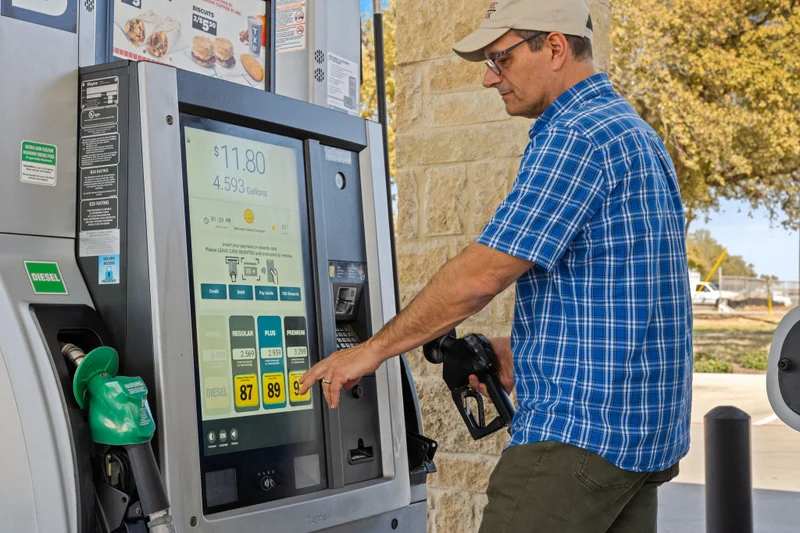
Precision at the Pump: Why Accuracy Matters
The dispenser is the front line of every fuel station. Inaccurate meters aren’t just a compliance issue; they erode trust, increase reconciliation work, and lead to revenue loss.
That’s where Wayne® fuel dispensers make a difference. Built with highly accurate meters (and even quick one-step calibration available with models like the Wayne Xflo® and iMeter™ fuel meters) and durable internal components, each Wayne fuel dispenser is designed to perform consistently over time. Integrated payment protection and tamper-proof security features help reduce the risk of loss through fraud and theft.
In a forecourt environment where speed, security, and reliability matter, precision is more than a technical spec. It’s an operational advantage.
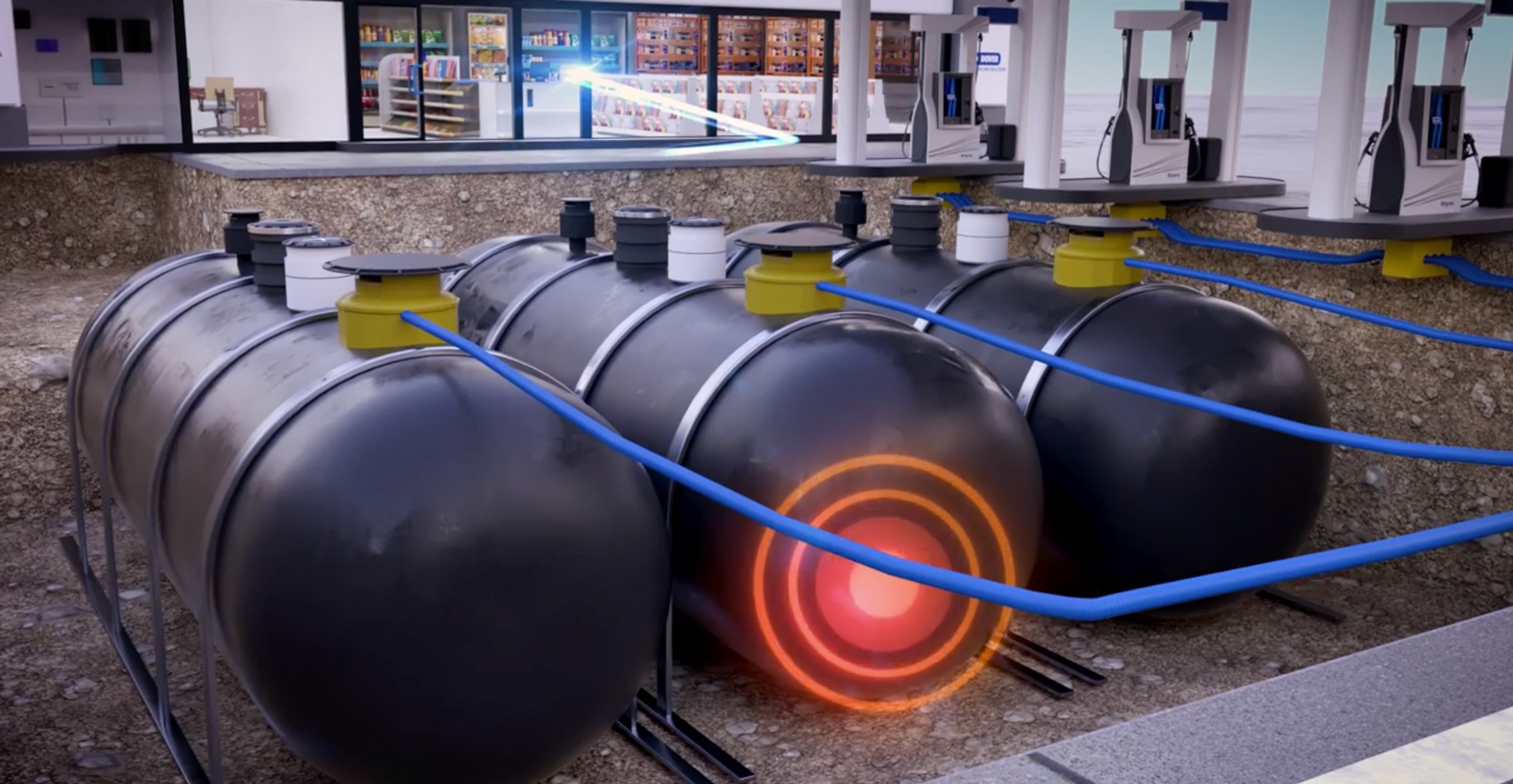
Preventing Loss at the Tank Level
Shrinkage doesn’t always show up in obvious ways. It might appear in the form of delivery shortfalls, small reconciliation gaps, or a monthly variance that’s hard to trace. But over time, the financial impact builds.
That’s why strong wetstock oversight begins below ground. ProGauge MagLink LX® Ultimate and Plus automatic tank gauge (ATG) consoles give operators real-time visibility into tank levels, line integrity, and delivery performance. These systems don’t just confirm product volumes, they help protect compliance, alert teams to irregularities, and identify where the loss begins.
By catching issues early, fuel retailers can reduce investigation time, protect inventory, and keep operations on track.
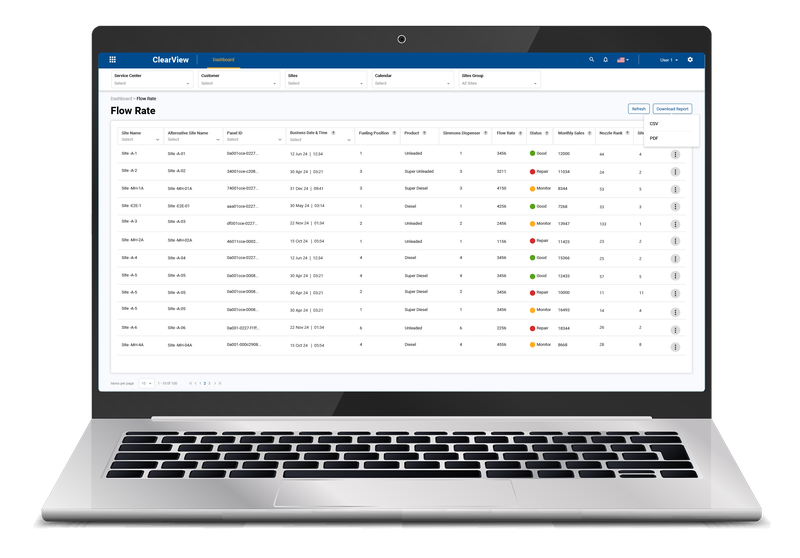
Turning Data Into Forecourt Decisions
Tank gauges provide the numbers, but without context, those numbers don’t always tell a deeper story. ClearView™ wetstock management helps translate tank data into actionable insight, surfacing patterns and highlighting inconsistencies that might otherwise go unnoticed.
From detecting short deliveries to flagging recurring losses at specific sites, ClearView supports smarter decision-making across the operation. It also strengthens compliance efforts by providing a clearer audit trail across inventory and delivery records. Used in tandem with ProGauge ATGs, it creates a robust system that improves visibility and tightens up fuel station operations over time. What used to take hours of manual checking and spreadsheet digging now happens in real time, with clear alerts and built-in logic.

Staying Ahead of Equipment Downtime
Unexpected downtime is one of the most expensive line items in fuel retail. A single dispenser out of action can create longer queues, frustrated customers, and lost sales. When issues aren’t flagged early, maintenance becomes reactive, and more expensive.
DX Monitor™ changes the way fuel station equipment is managed. It gives operators a real-time view into dispenser performance, from flow rates to error codes, and flags problems before they cause disruption. For operators managing multiple sites, it offers a single dashboard to track asset health, prioritize servicing, and prevent unnecessary callouts.
DFS’ recent acquisition of SiteIQ demonstrates a commitment to supporting operators with greater insight into site performance, faster issue resolution, and more efficient operations. SiteIQ’s solution works in tandem with the DFS DX Monitor platform to give operators deeper visibility into forecourt performance and help them act faster when maintenance issues arise.
With this kind of real-time monitoring, equipment lasts longer, service teams work smarter, and the forecourt stays open when it matters most.
Visibility That Delivers Profit
There’s no single lever that reduces fuel station costs. The variables are too local, too operational, and often easy to miss. But with better visibility across equipment, inventory, and servicing, those scattered inefficiencies become far easier to manage.
DFS gives operators the tools to track what's happening on and under the forecourt in real time, and more importantly, to act on it with confidence. That level of clarity doesn’t just reduce loss. It gives fuel retailers the control they need to run leaner, respond faster, and build a more resilient operation over time.
Related Products

Copyright © 2026 Dover Fueling Solutions® | A Dover Company | Privacy Policy | Cookies | Terms of Use


Dover Fueling Solutions
Dover Fueling Solutions