


How Connected Technology Helps Fuel Retailers Manage Multiple Sites Consistently
October 20, 2026
Managing one fuel retail site requires oversight of equipment, payments, inventory, employees, and customer services. Across a network of locations, maintaining a consistent level of visibility becomes more complex.
Individual sites may use different processes, technology or reporting methods. Local requirements can also vary, making it difficult for centralised teams to understand performance and maintain consistent operating standards.
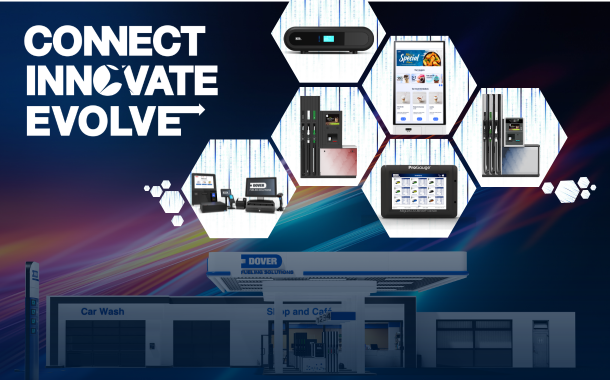
Connecting fuel station technology can help retailers coordinate their networks more effectively. By connecting compatible site systems with central management platforms, retailers can improve visibility, standardise selected processes and support local teams from another location.
Dover Fueling Solutions® (DFS) provides fuel retail technology designed to connect different areas of a fuel stations operations and support consistent multi-site management as networks develop.
Why Is Consistent Multi-Site Management Important?
Customers generally expect the same reliable experience whenever they visit a site operated by a particular fuel retailer. However, maintaining that consistency becomes more challenging as the number and variety of locations increase.
Differences can develop in areas such as:
- Equipment configuration and maintenance.
- Payment options and transaction processes.
- Fuel inventory monitoring.
- Product information and pricing.
- Software versions and system updates.
- Reporting and issue escalation.
- Customer promotions and loyalty programmes.
- Employee access to technology.
These differences may make reporting less reliable and increase the effort required to support individual sites. They can also lead to fragmented customer experiences.
Consistent management does not mean every location must operate identically. Retailers may need to account for differences in site size, customer demand, fuel mix and local regulations. The aim to establish shared standards while retaining enough flexibility to meet local requirements.
Create Centralised Visibility Across the Network
A multi-site management strategy begins with visibility. Central teams need access to reliable information before they can compare locations, recognise emerging issues, or provide effective support.
Connected systems can make relevant site information accessible through central platforms rather than leaving it across isolated local interfaces. Depending on the technology installed, this may include informational relating to:
- Fuel sales and inventory.
- Equipment condition and activity.
- Payment transactions.
- Electric vehicle (EV) charging.
- Convenience store (c-store) operations.
- Software and system status.
- Operational alerts.
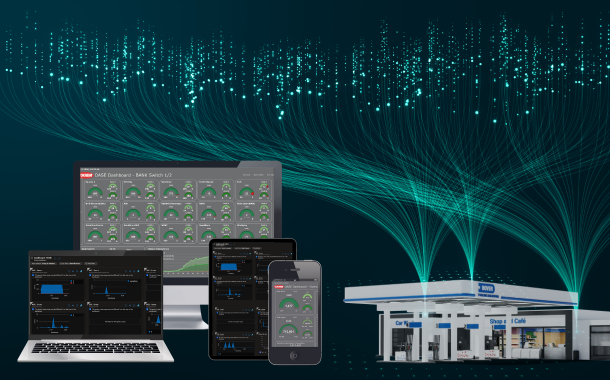
A connected forecourt management system can provide greater visibility across compatible equipment and retail operations. This helps fuel retailers understand what is happening across their network without relying entirely on manually preparing site reports.
Standardise Processes Without Ignoring Local Needs
Standardised processes can help fuel retailers maintain quality, improve reporting and make responsibilities clear across different locations.
Retailers could establish shared procedures for:
- Reviewing fuel inventory.
- Responding to equipment alerts.
- Reconciling transactions.
- Escalating operational issues.
- Managing user permissions.
- Scheduling maintenance.
- Recording site performance.
- Introducing software changes.
Connected technology can support these procedures by presenting information consistently and directing relevant alerts to the appropriate teams.
However, standardisation should not remove local flexibility. A motorway service station, rural fuel station and urban convenience site may have different operating requirements. Central systems should allow the retailer to establish network-wide standards, while responding to the commercial and operational needs of each site.
Coordinate Systems and Software Updates
Software updates can become time-consuming when they must be introduced separately at every location. Delayed or inconsistent updates may also leave sites operating with different functionality or system versions.
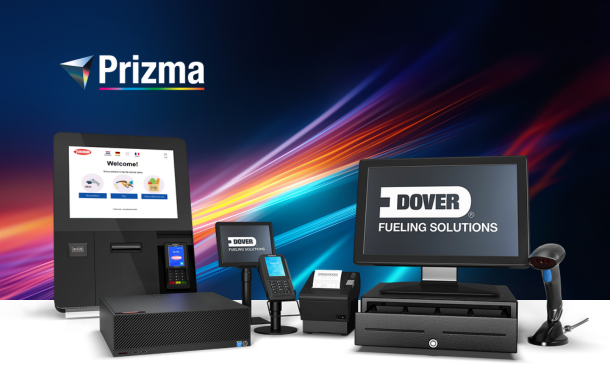
DFS Prizma Cloud Services allow updates to multiple pieces of compatible DFS Prizma® site equipment to be managed remotely using a web-enabled device. This site equipment includes:
- Automatic Tank Gauging (ATG) systems.
- Car wash systems.
- Clean energy dispensers.
- EV chargers.
- Conventional fuel dispensers.
- Media displays.
- Price signs.
This can help retailers introduce changes more efficiently across their networks.
A coordinated approach to updates can support:
- Greater consistency between locations.
- Faster introduction of approved changes.
- Reduced need for individual site visits.
- Clearer oversight of system versions.
- More consistent security and maintenance practice.
Retailers still need appropriate testing, approval and implementation procedures. Central management makes distribution more efficient, but changes should be planned carefully to reduce operational disruption.
Manage Payments More Consistently
Payment is a particularly important part of the customer experience. Customers should be able to understand the available payment methods and complete transactions reliably across different sites.
Connected payment technology can help retailers maintain greater consistency in areas such as accepted cards, receipt information, transaction monitoring and reconciliation.
For example, the DFS ONE Portal can support centralised control and remote site management. Transactions can be monitored in real time, while receipt messages and sales articles can be managed centrally.
OASE™ (Online Authorisation and Switching Environment) also allows retailers to use a single, secure payment architecture, 3DES DUKPT encryption and the IFSF protocol to centralise transaction processing at the electronic point-of-sale (EPOS). This simplifies fuel and bank card payments across your sites.
Bringing precise payment configuration will vary by location and market, but a shared technology foundation can help retailers deliver a more recognisable experience across their sites.
Compare Performance Between Locations
Centralised data allows fuel retailers to compare locations using more consistent information. This can reveal differences that may be difficult to identify when sites are assessed separately.
Network-level analysis may help retailers identify:
- Sites with unusual inventory discrepancies.
- Recurring equipment faults.
- Variations in sales or transaction activity.
- Locations requiring additional operational support.
- Differences in service availability.
- Successful approaches that could be applied elsewhere.
Comparisons should consider the circumstances of each site. Sales volumes, customer profiles, operating hours and available services may differ considerably. Performance data should therefore be used to ask informed questions rather than create misleading comparisons.
The objective is to understand why differences exist and determine whether action or further investigation is required.
Support Local Teams from a Central Location
Connected technology can improve the relationship between central operations teams and employees working at individual sites.
When authorised teams can access relevant alerts, transaction information or equipment data remotely, they may be able to investigate an issue before asking local employees to complete additional checks. Central teams can also provide clearer guidance because they are working from shared information.
This can help retailers:
- Respond to operational questions more quickly.
- Prioritise technical support.
- Reduce unnecessary manual reporting.
- Share information between departments.
- Identify issues affecting multiple sites.
- Give local teams clearer escalation routes.
Remote support does not replace the knowledge of employees at the site. It gives central and local teams a more consistent information base from which to work together.
Scale Connected Technology as the Network Grows
Growth can expose weaknesses in fragmented technology. Every newly opened or acquired site may introduce another set of systems, processes, and reporting requirements.
A scalable connected-fuel site approach allows retailers to assess how new locations will fit into the wider network. This includes reviewing compatibility, connectivity, user access, data requirements, and support arrangements.
Retailers should consider whether their technology can:
- Accommodate additional sites and users.
- Connect with compatible existing equipment.
- Apply shared processes across the network.
- Provide both site-level and central visibility.
- Support new services as requirements evolve.
- Maintain appropriate security and access controls.
This can make it easier to bring new locations into the network without unnecessarily replacing suitable infrastructure.
Build a Consistent Multi-Site Network with DFS
DFS provides connected technology across forecourt control (FCC), payments, fuel inventory, wetstock management, and automatic tank gauging (ATG). These solutions can help fuel retailers improve central visibility while supporting the operational requirements of individual locations.
The appropriate configuration will depend on the retailer’s existing infrastructure, number of sites and management priorities. Technology should be selected around the processes that need to become more visible, efficient or consistent.
Explore the range of DFS fuel retail technology or contact DFS to discuss connected multi-site forecourt management.
Related Products

Copyright © 2026 Dover Fueling Solutions® | A Dover Company | Privacy Policy | Cookies | Terms of Use


Dover Fueling Solutions
Dover Fueling Solutions