


The Future of Fuel Stations and Digital Transformation
January 6, 2026
There’s no single trigger driving change in Europe, the Middle East and Africa (EMEA) when it comes to fuel retail. For some operators, it’s labour shortages, for others it’s data regulations, rising costs, or consumer expectations shifting faster than site tech can keep up. What connects them is a growing need to modernise, not through one-off upgrades or “quick-fixes”, but by building fuel stations that are smarter (long-term) by design.
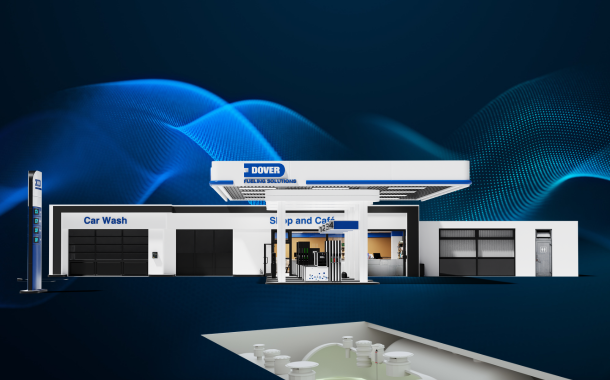
Dover Fueling Solutions® (DFS) helps retailers take their fuel retail site to the next level, introducing technologies that link the dispenser, payment systems, the conveniencestore (c-store), and the back-office systems behind them to create a more connected, controllable forecourt.
Smarter at the Pump: Precision Where It Counts
Connected fuel stations don’t start with future-facing slogans, they start with practical improvements. At the pump, that means accurate metering, fast transactions, and clear engagement with consumers while they are refuelling.
DFS industry-leading dispensers – like the Tokheim Quantium®, Wayne Helix® and Wayne Century® 3 fuel dispenser ranges – integrate high-precision fuel meters, and secure payment modules, that help provide reliable refuelling, and keep payments flowing smoothly.
Operators using Remote Diagnostics and Management (RDM) Solution by DFS gain real-time visibility into flow rates, error codes, and system uptime. Instead of waiting for manual checks or complaints from consumers on site, issues are flagged live, and maintenance / service interventions enable retailers to become proactive, not reactive. That kind of management protects daily performance and reduces unplanned downtime.
Connecting the Entire Forecourt
A truly connected fuel station doesn’t rely on one system. It is an accumulation of all systems working and communicating together to create one cohesive site.
Prizma – DFS’ connected mobility and convenience hub – connects core components of the forecourt, including fuel dispensers, price signs, automatic tank gauges (ATGs), clean energy dispensers, video systems etc. into one easy to control hub. When a site is fully connected, updates move faster, decisions are clearer, and complexity doesn’t slow teams down.
This level of integration enables retailers to offer flexible payment options, and coordinate retail promotions in real time. From the operator’s side, fewer systems mean fewer points of failure, and more control when service levels are at risk. This level of connectivity, through Prizma, also allows retailers to easily accept new devices and protocols as they’re needed, meaning the level of site connectivity can grow with the site.
.png)
What IoT Looks Like in Fuel Retail
While the Internet of Things (IoT) is often described in abstract terms, its role in fuel retail is concrete. DFS IoT-enabled systems allow operators to monitor dispenser performance, tank levels, delivery accuracy, and payment device health – all in one place.
With tools like ProGauge™ ATG systems, DX Wetstock®, RDM by DFS, and DX Monitor®, issues that would previously be logged after the fact are now visible immediately. That includes detecting a short delivery, spotting a line pressure issue, or identifying early signs of dispenser service interventions.
For high-throughput or multi-site retailers, this visibility is non-negotiable. It helps tighten compliance, reduce fuel loss, and helps operators move from guesswork to informed action.
Inside the Store: Digital That Keeps Pace
Many consumers don’t view the pump and the c-store as separate touchpoints, they expect a unified experience that matches the speed and convenience of modern retail.
DFS Self-Checkout Kiosk and DFS Order Kiosk™ powered by FLYX enable faster transactions, support leaner staffing during busy periods, and make it easier to promote loyalty offers without disrupting service. In competitive or busy urban locations, this efficiency directly affects spend-per-visit, basket size, and return rates.
What used to be a bottleneck becomes another opportunity to strengthen the brand.
.png)
Why Connected Stations Are the New Standard
There’s no single definition of a connected fuel station. But there is a clear pattern in what the most future-ready sites have in common: digitalisation, connected infrastructure, real-time visibility, and systems that adapt together, not in isolation.
DFS is working with fuel retailers across EMEA to help accelerate this transition. Whether through integrated wetstock management, automated diagnostics, or retail engagement tools, the goal is the same: more control, less waste, and a better experience for every person on site.
Connected fuel stations aren’t a concept; they’re being built now. And the retailers investing in digitialisation today will be the ones leading fuel retail tomorrow.
Related Products

Copyright © 2026 Dover Fueling Solutions® | A Dover Company | Privacy Policy | Cookies | Terms of Use


Dover Fueling Solutions
Dover Fueling Solutions