


Fleet Fuel Dispensers Built for the Demands of Modern Fuel Retail
Choosing the right fuel dispenser for your fuel station or private site is one of the most consequential decisions a fuel retailer can make. It can affect uptime, maintenance costs, overall customer experience, and ability to adapt as the market changes.
This page is here to help you understand what matters when evaluating fleet fuel dispensers, and how to find a solution that works for your site today and in the years ahead.
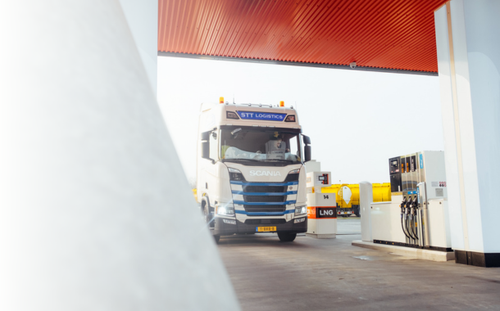
What Is a Fleet Fuel Dispenser?
A fleet fuel dispenser is the equipment on a fuel station, depot, or private site that delivers fuel to vehicles and records the volume dispensed. Unlike a basic pump, a modern fleet fuel dispenser is a connected piece of infrastructure. It integrates with payment systems, wetstock management, site controllers, and digital media platforms to give retailers accuracy, control, and visibility across every transaction.
For fuel retailers across Europe, dispensers need to handle a wide range of fuels, from standard petrol and diesel to AdBlue®, Hydrotreated Vegetable Oil (HVO), Liquefied Petroleum Gas (LPG), and compressed natural gas (CNG). Choosing a multi-grade fuel dispenser that can accommodate that breadth, without requiring a full hardware replacement every time your fuel mix changes, is increasingly important.
What Should Fuel Retailers Look for in a Fleet Fuel Dispenser?
There is no single right answer, but there are several considerations every operator or retailer must consider before committing to a dispenser range.
Reliability and Uptime
A dispenser out of service is a dispenser losing revenue. Look for dispensers built with field-proven components, robust hydraulics, and a design that minimises the number of potential failure points. Gear pump technology, for example, produces less vibration and wear than vane-style alternatives, reducing the likelihood of breakdowns and the cost of maintenance over time.
Modularity and Configuration Flexibility
A fuel station, depot, or private site has specific requirements. The best dispenser ranges offer genuine modularity, meaning the number of nozzles, fuel grades, hose management, display type, and payment integration can be configured to match site layout and customer base. This also matters for the future. A modular dispenser can be upgraded or reconfigured as needs change, rather than replaced entirely.
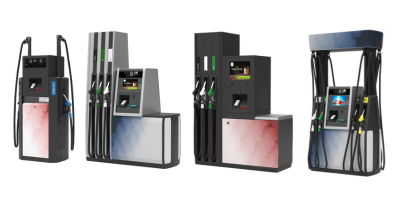
Alternative Fuel Readiness
Fuel retailers who invest in multi-grade fuel dispensers that are equipped for HVO, AdBlue®, and other alternative fuels today are better positioned to adapt without significant capital expenditure as demand shifts. HVO compatibility in particular is worth prioritising, as it requires no infrastructure changes beyond the dispenser itself.
Learn more about HVO and what they mean for your site.
Connectivity and Remote Management
Modern dispensers should be able to connect to the wider site ecosystem. Integration with a service station control platform can help monitor performance, run diagnostics, push updates, and manage site remotely, reducing the need for on-site intervention and giving a clearer picture of operation in real time.
Total Cost of Ownership (TCO)
The purchase price of a dispenser is only part of the picture. Factor in installation costs, maintenance requirements, parts availability, and the cost of downtime over the dispenser's lifetime. A dispenser engineered for longevity with accessible aftermarket support will often represent better value than a cheaper unit, that requires frequent servicing or is difficult to source parts for.
How Dover Fueling Solutions Approaches Fleet Fuel Dispensers
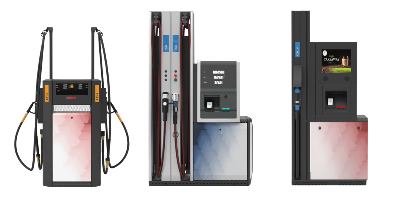
Dover Fueling Solutions® (DFS) designs and manufactures fleet fuel dispensers under two of the most established names in fuel retail: Wayne® and Tokheim®. The well-established Europe dispenser range has been built from the ground up to address the specific challenges facing operators across the region, with more than 10,000 possible configurations available across the range.
Every dispenser in the DFS Europe portfolio is HVO-ready from the factory, integrates with the DFS Prizma® ecosystem and point-of-sale (POS) platform, and is supported by a dedicated aftermarket parts network across Europe. DFS Prizma is currently deployed across more than 129,000 fuel retail sites in Europe.
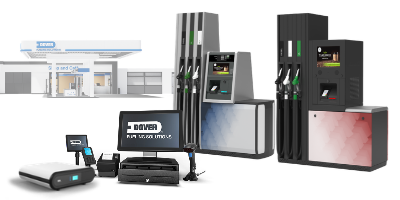
Explore the DFS Fleet Fuel Dispenser Range
DFS offers a range of Wayne and Tokheim dispensers to suit different site configurations across Europe, from high-volume motorway sites to urban filling stations, independent operators, and private fleet depots. Each model is built around the same core principles of reliability, modularity, and low TCO.
Frequently Asked Questions
What is the difference between a conventional fuel dispenser and an automated fuel pump?
A conventional fuel dispenser delivers fuel and records the volume dispensed. An automated fuel pump goes further, integrating payment processing, site monitoring, and digital media into the dispenser itself, allowing customers to complete a full transaction at the pump.
Are DFS fleet fuel dispensers compatible with HVO?
Yes. All Wayne and Tokheim dispensers in the DFS Europe range are HVO-ready from the factory. If a dispenser has previously housed traditional fuels, seal cleaning will be required before switching.
Can DFS dispensers support multiple fuel grades?
Yes. Dispensers across the DFS Europe range can be configured to support multiple fuel grades per side, making them suitable for sites serving a diverse fleet or looking to offer premium, standard, and alternative fuel options from a single island.
How do DFS fleet dispensers integrate with payment and fuel station management systems?
DFS dispensers integrate natively with the DFS Prizma ecosystem and POS platform, as well as the Tokheim Crypto VGA® (outdoor payment terminal), DFS Crypto NOVA®, and Wayne iX Pay® 2 payment platform. This gives retailers a connected, centrally managed fuel station, without the need for complex third-party integrations.
Speak to a DFS expert about the right dispenser for your site.
Thought Leadership
.png)
Customer Success
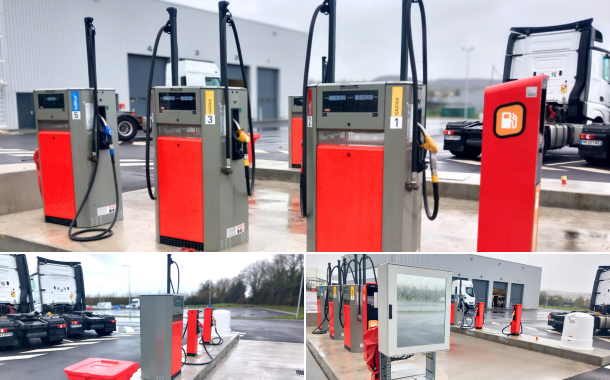
Dover Fueling Solutions and TSG France Help TSM Create a Private Fuelling Station to Meet New Road Transport Challenges
July 6, 2026
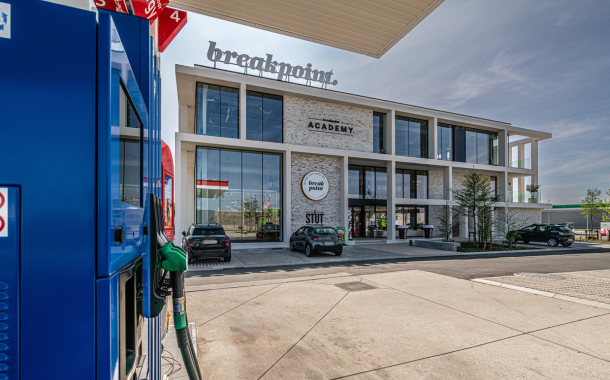
Dover Fueling Solutions Innovative Technologies at the Forefront of G&V Energy Groups Brand-New ESSO Service Station
July 21, 2026



Copyright © 2026 Dover Fueling Solutions® | A Dover Company | Privacy Policy | Cookies | Terms of Use


Dover Fueling Solutions
Dover Fueling Solutions